
The Mission
To restore the Church’s encounter with God through Beauty.
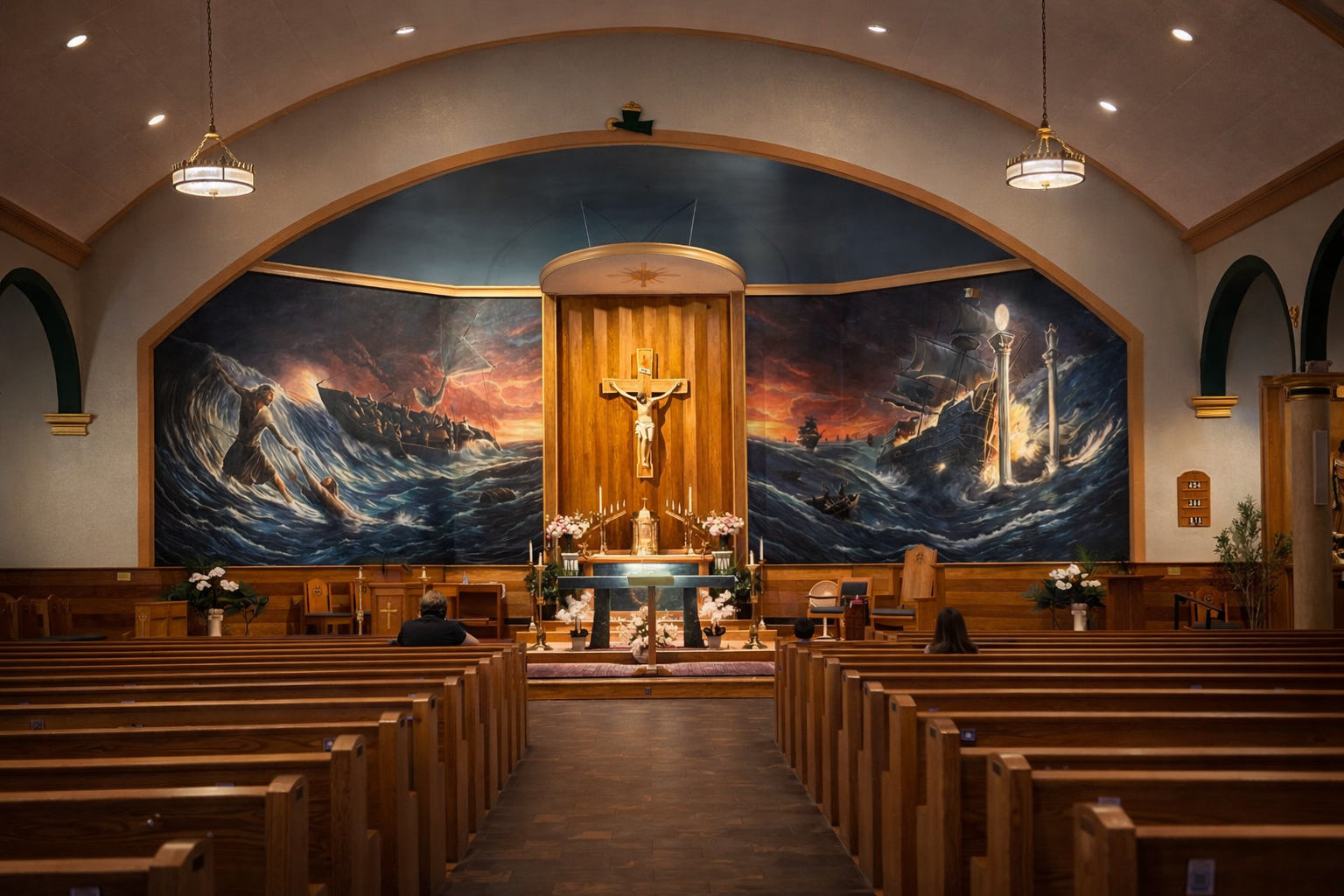
For most of the Church’s history, beauty has helped give visible form to the faith. Before a person understands theology in words, he encounters a church, an image, a crucifix, light falling across an altar, the faces of Christ and the saints.
These things form the Christian imagination. They help us perceive that what the Church proclaims is not an abstraction, but a reality into which we are being invited.
BEAUTY GIVES FORM TO WORSHIP
Every church communicates something.
Sacred art, architecture, light, music, and the liturgy together shape our experience of worship and our understanding of God. When they work together, they can help awaken reverence, attention, and a sense of the mystery taking place before us.
Sacred art does not replace the proclamation of the Gospel or the sacraments. It serves them.
Beauty can prepare the heart to receive what the Church proclaims.
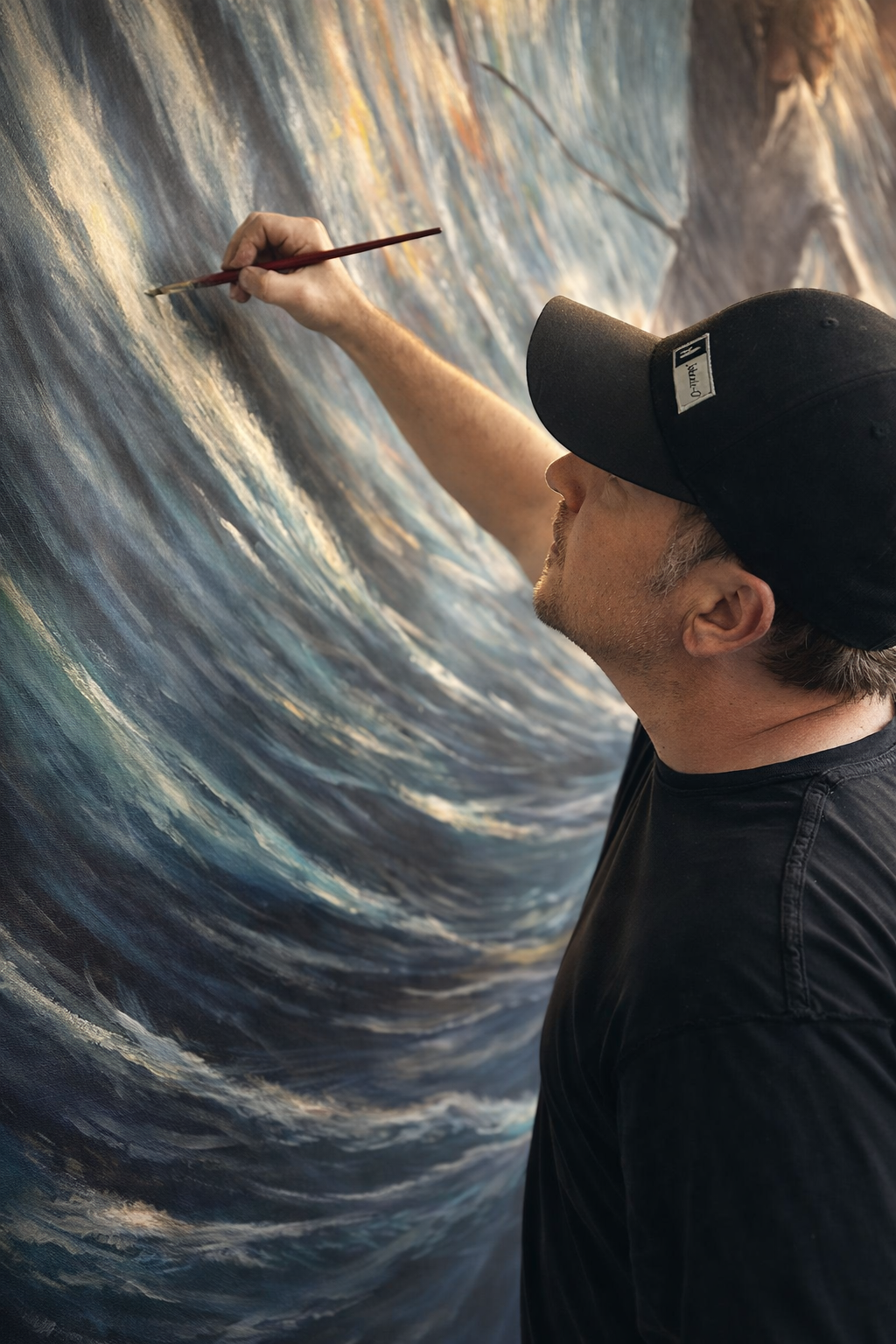
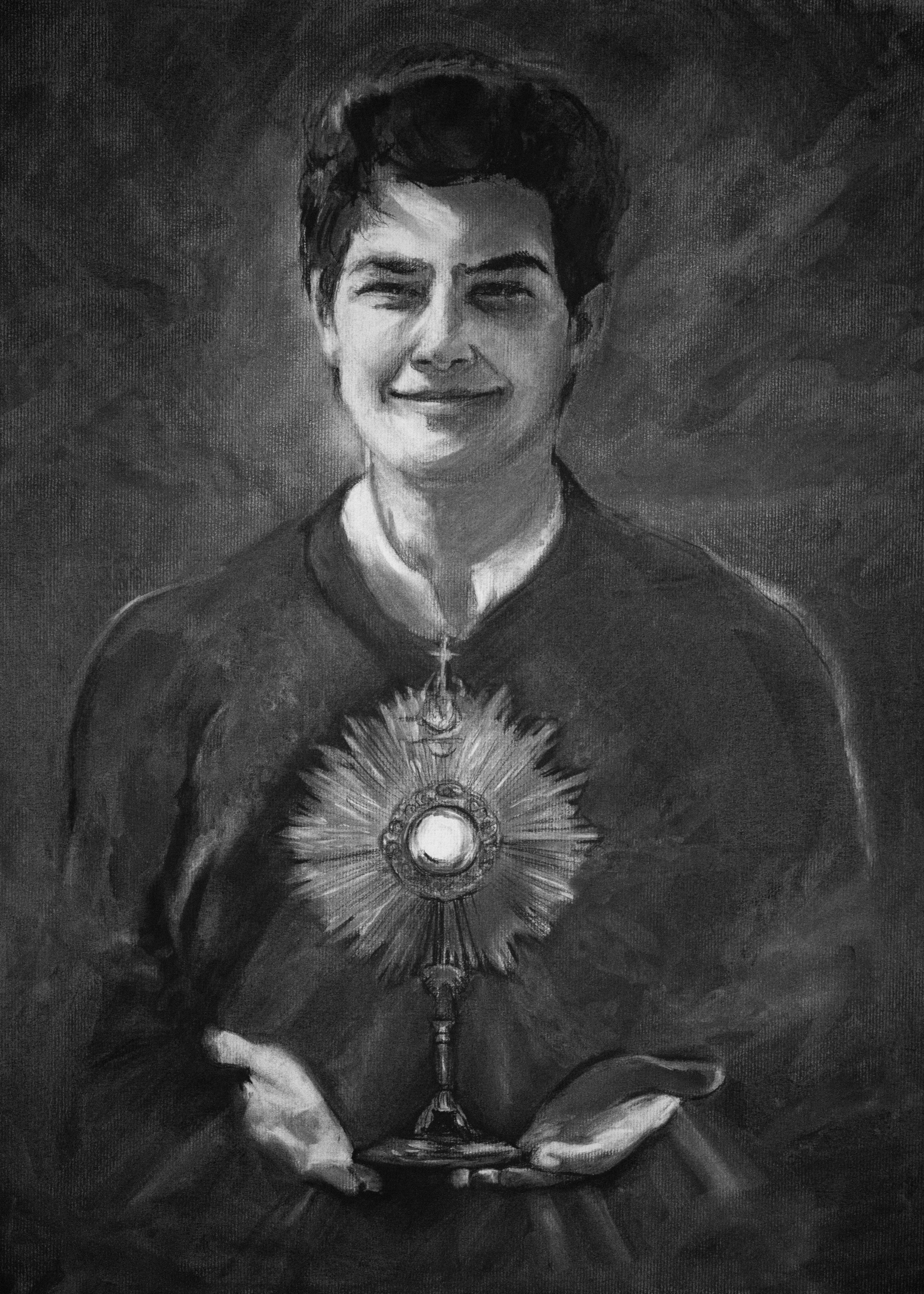
FORMING THE CHRISTIAN IMAGINATION
We live in a culture saturated with images and constant distraction. Much of what surrounds us trains us to move quickly, consume, and move on.
The Church offers something very different.
Sacred art invites us to remain, to contemplate, and to see more deeply.
This matters because faith is not lived by ideas alone. Our imagination, memory, senses, and desires all participate in the way we understand God and the world.
Sacred art can help form these things over time, especially for children and for those encountering the faith for the first time.
BEAUTY AND EVANGELIZATION
The Church cannot simply reproduce the visual language of another age and expect it always to speak with the same immediacy.
At the same time, sacred art cannot abandon the tradition that has been entrusted to us.
The task is to receive that tradition deeply and speak it anew: to create work that is unmistakably rooted in the faith of the Church while remaining alive to the lived experience and way of seeing of people today.
Sacred art should be ever ancient and ever new.
In this way, beauty can become a genuine form of evangelization, allowing the truths of the faith to be encountered before they are fully explained.
THE RESPONSIBILITY OF SACRED ART
Because sacred art participates in the Church’s worship and witness, it carries a real responsibility.
It should be beautiful, but beauty alone is not enough. It should also be faithful to what the Church believes and attentive to the people it is meant to serve.
My work exists in response to that responsibility.
I want to create sacred art that helps make the invisible visible, gives form to the mysteries we celebrate, and opens a space in which a person might more readily encounter the God who loves them.
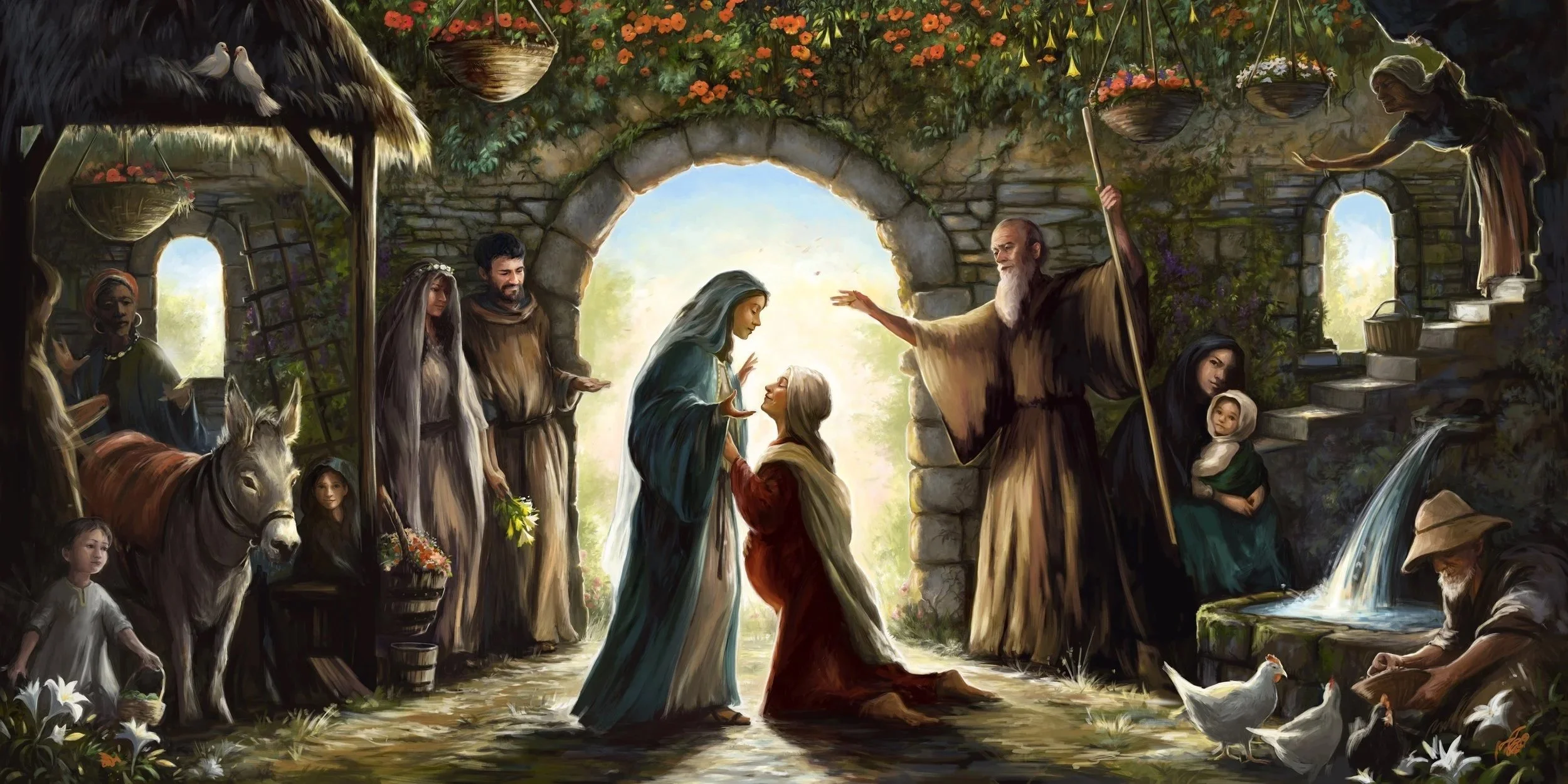
“Artistic beauty . . . a sort of echo of the Spirit of God, is a symbol pointing to the mystery, an invitation to seek out the face of God made visible in Jesus of Nazareth.”
- Saint John Paul II, Ecclesia in Europa 60