Recent Commission Installations
-
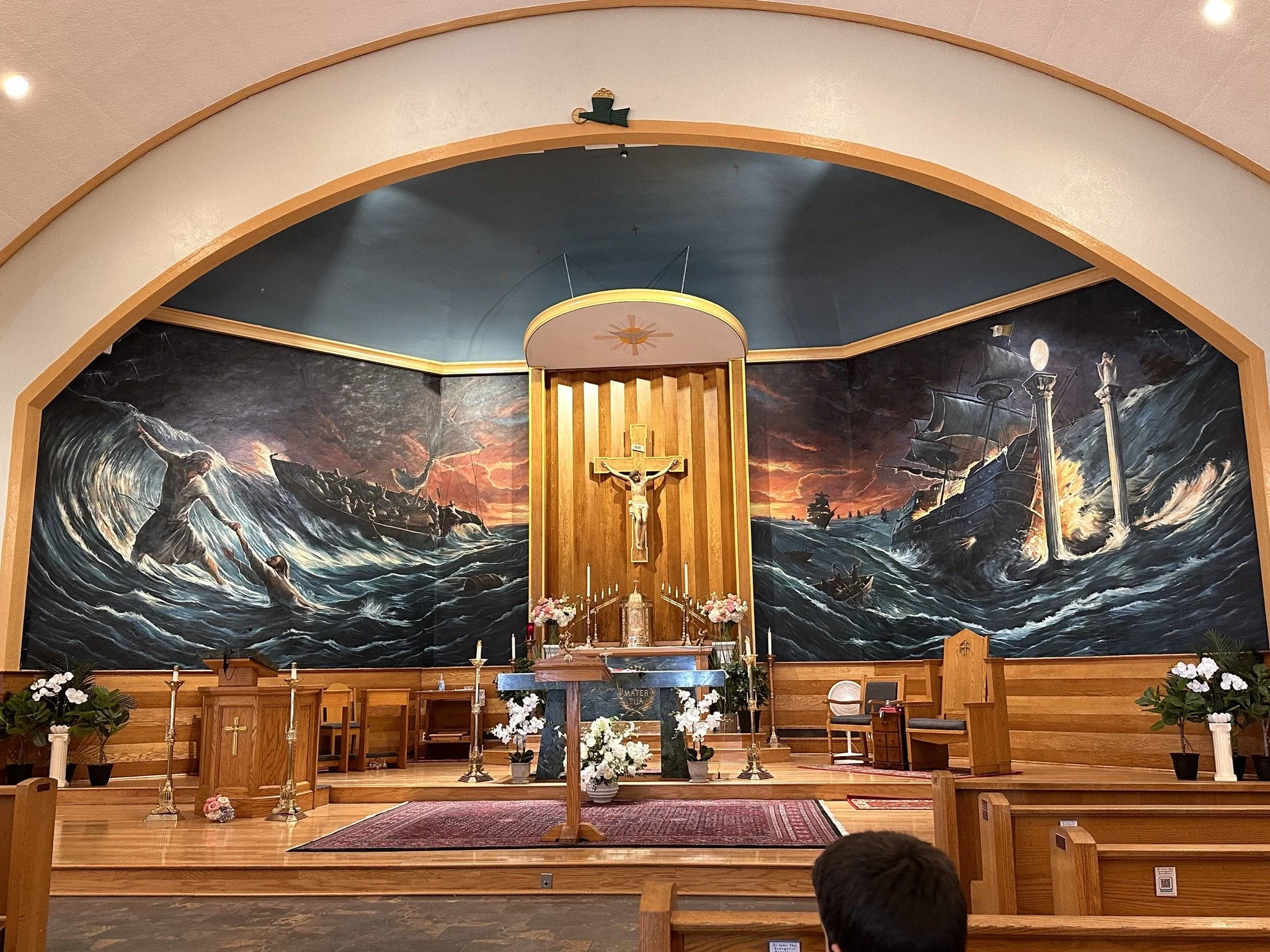
St. John the Evangelist - Swampscott MA
This 40’ x 15’ mural for the sanctuary consists of an image of Matthew 14 (Christ walking on water) and a monumental depiction of the Prophecy of St. John Bosco.
-
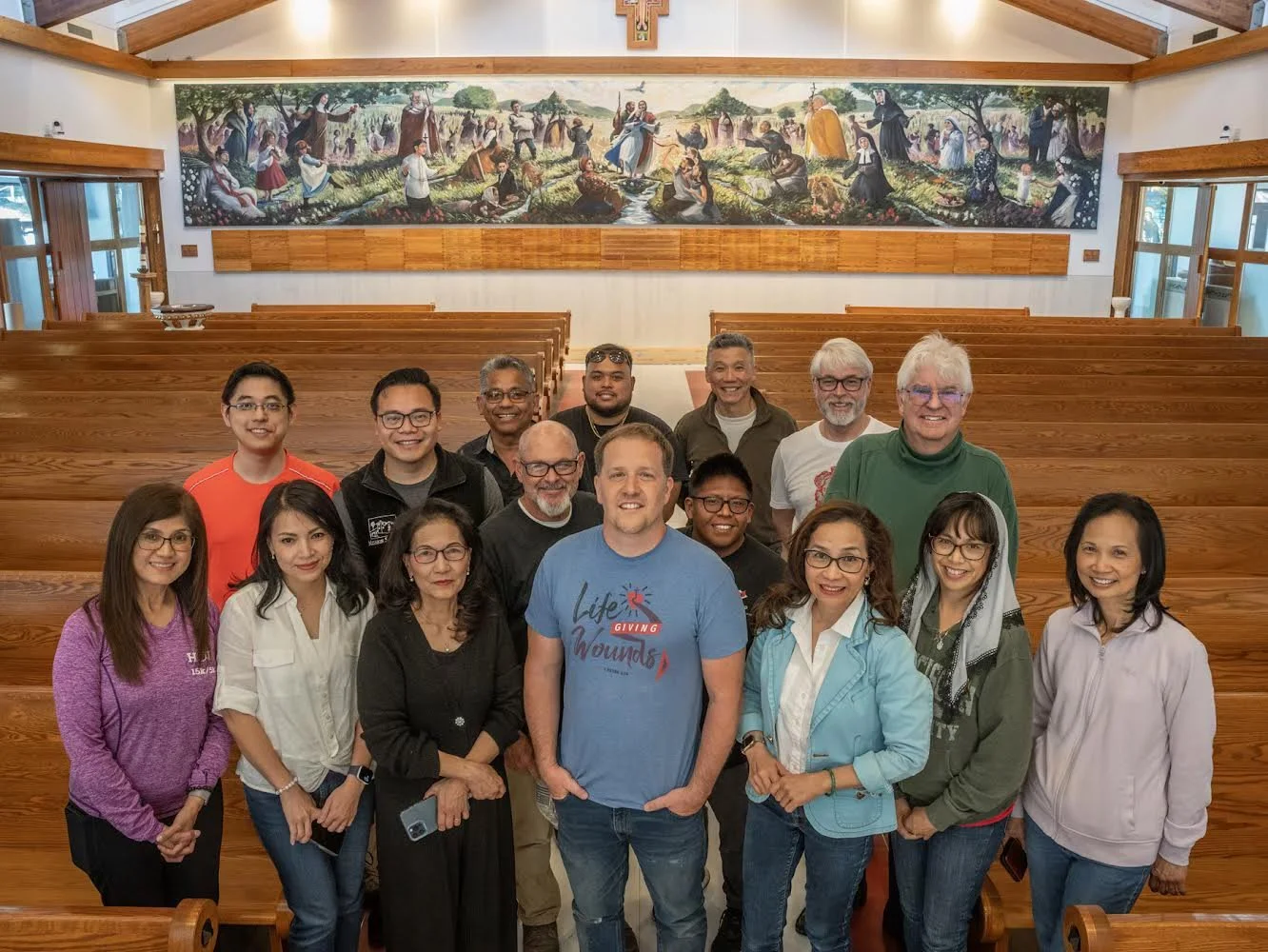
Mission San Jose - Fremont CA
This expansive 50’ long oil paining on canvas depicts the Wedding Feast of the Lamb, with over 30 life size saints from all over the world.
-
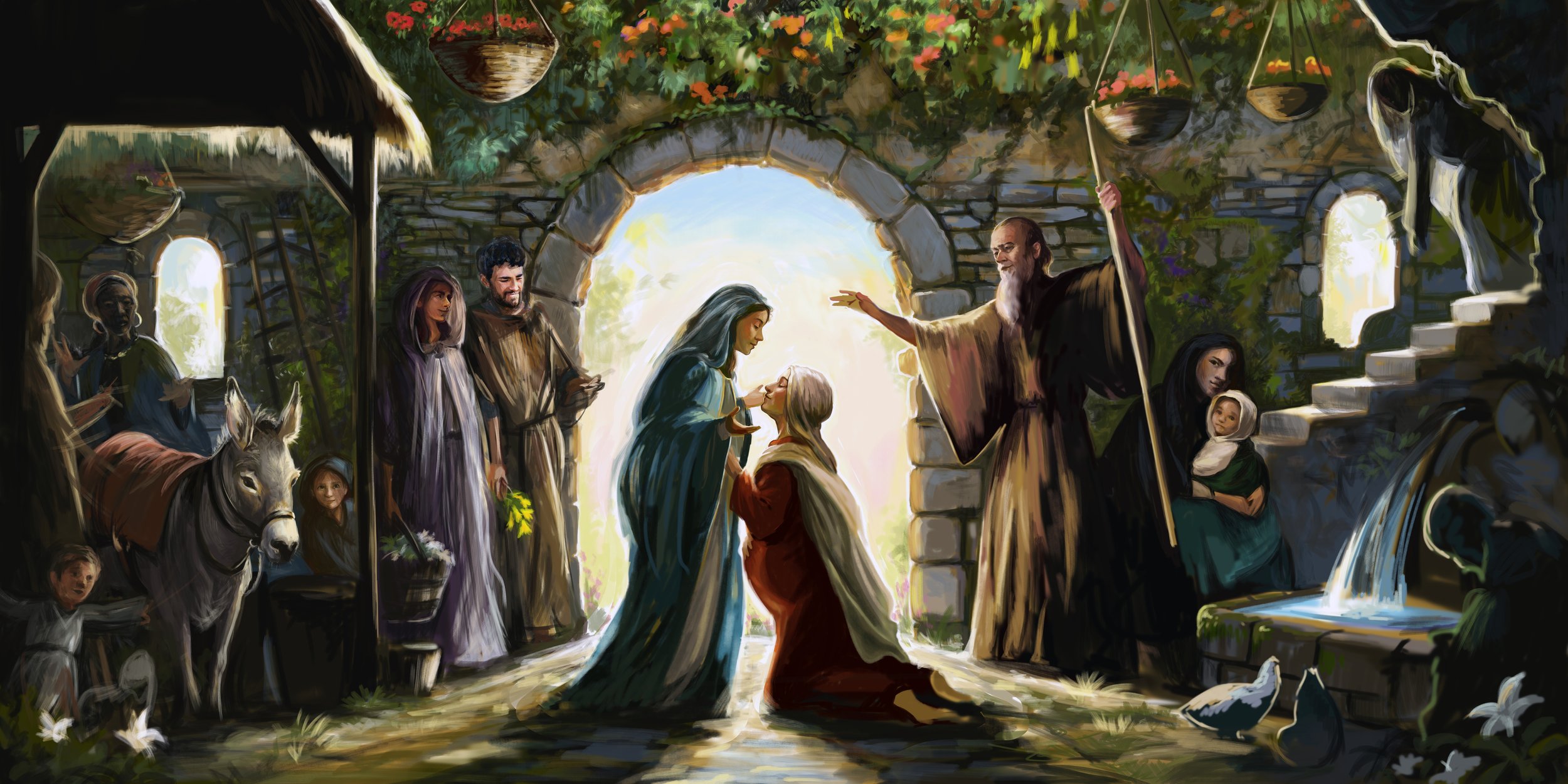
Our Lady of the Visitation Parish - Darnestown MD
This beautiful digital painting is 20’ x 10’ and depicts the dramatic moment of Our Lady’s encounter with St. Elizabeth.
Sacred Art for the Life of the Church
Sacred art is one of the Church’s oldest forms of evangelization. Long before the faith is fully understood or articulated, it is encountered through what we see, hear, and experience.
Sacred art gives visible form to the mysteries the Church celebrates. It forms the imagination, shapes prayer, and helps make the faith tangible.
My work exists to continue that tradition by creating sacred art that is theologically grounded, visually compelling, and created for the particular community it will serve.
More Than Decoration
A sacred commission begins with more than the question, “What should we put on this wall?”
It begins with the life and mission of the parish.
I believe every parish has a particular vocation within the Church. A parish named for a saint is drawn in a unique way into the mission of its patron and invited to share in the charisms through which that saint served Christ.
Sacred art can make that identity visible.
The goal is not simply to depict the patron or illustrate an event from Scripture, but to ask what that saint, mystery, or passage means for the people who gather there now.
The art should help a parish understand not only what it believes, but who it is being called to become.
Visual Theology
I understand sacred art as a form of visual theology.
My role is not simply to paint an image, but to discern how theology can take visible form through gesture, light, composition, movement, symbolism, and the human figure.
Every element should serve the mystery being depicted.
The work must also belong to the worship space itself, entering into conversation with the altar, tabernacle, crucifix, architecture, liturgy, and movement of the people through the church.
The result should not require an explanation in order to speak, but it should continue to reveal deeper meaning over years of prayer and contemplation.
Ever Ancient, Ever New
Sacred art must receive the whole of the Church’s tradition without simply reproducing the visual language of another age.
I do not believe the answer to evangelizing contemporary culture is to look backward.
The artist must know the tradition deeply, listen to the Spirit, and remain attentive to the lived experience and way of seeing of the people standing before the work today.
The goal is something ever ancient and ever new: unmistakably Catholic, rooted in what has been handed down, yet immediate, human, and alive.
The work should belong to the great tradition of sacred art without feeling as though it belongs primarily to antiquity or a museum.
Why Scale Matters
Scale is not simply about grandeur. It is about presence.
A large sacred work becomes part of the experience of entering a church. It surrounds the liturgy, inhabits the peripheral vision, and gradually becomes part of the spiritual memory of a community.
A child may grow up beneath it.
A couple may be married before it.
A family may return to it in grief.
Someone may notice a gesture or expression for the first time after years of seeing it.
Over time, the work becomes inseparable from the place and from the people who worship there.
A Generational Investment
A significant sacred commission is a serious act of stewardship.
Many parish expenses necessarily serve immediate needs and particular seasons of ministry. Sacred art serves differently. A permanent work can continue forming the imagination and identity of a parish long after programs, leadership, and circumstances have changed.
It quietly evangelizes every day.
It speaks to parishioners, visitors, children, converts, and future generations before a word is preached.
For that reason, I approach a major commission not simply as the purchase of a work of art, but as an investment in the spiritual and cultural inheritance of a parish.
The Commission Process
Every commission begins with listening and discernment.
The process typically includes:
understanding the parish, its patron, history, mission, and pastoral needs
developing the theological vision, subject, symbolism, and composition
collaborating closely with clergy, parish leadership, architects, and other stakeholders
studying the architecture, liturgical space, sightlines, scale, light, and surrounding visual environment
creating studies and concept artwork before the final work begins
producing and installing a work designed specifically for that church and community
The goal is sacred art shaped for a particular people, place, and vocation.
An Invitation
The best commissions begin with a conversation.
I welcome the opportunity to speak with pastors, parish leaders, architects, donors, and patrons who are discerning how sacred art might serve the mission of a church and the generations who will worship there.